Ownership is no longer the ultimate status symbol. From cars to apartments, electronics to furniture, a growing wave of consumers are choosing to rent rather than buy. Welcome to the rise of the rental lifestyle — a shift reshaping how we think about possessions, freedom, and sustainability.
Why Ownership Is Losing Its Appeal
For decades, owning things was equated with success. A house, a car, a closet full of gadgets — these were markers of achievement. But the economics have changed. Housing prices have skyrocketed, technology becomes obsolete within months, and global mobility means people move more frequently than ever before.
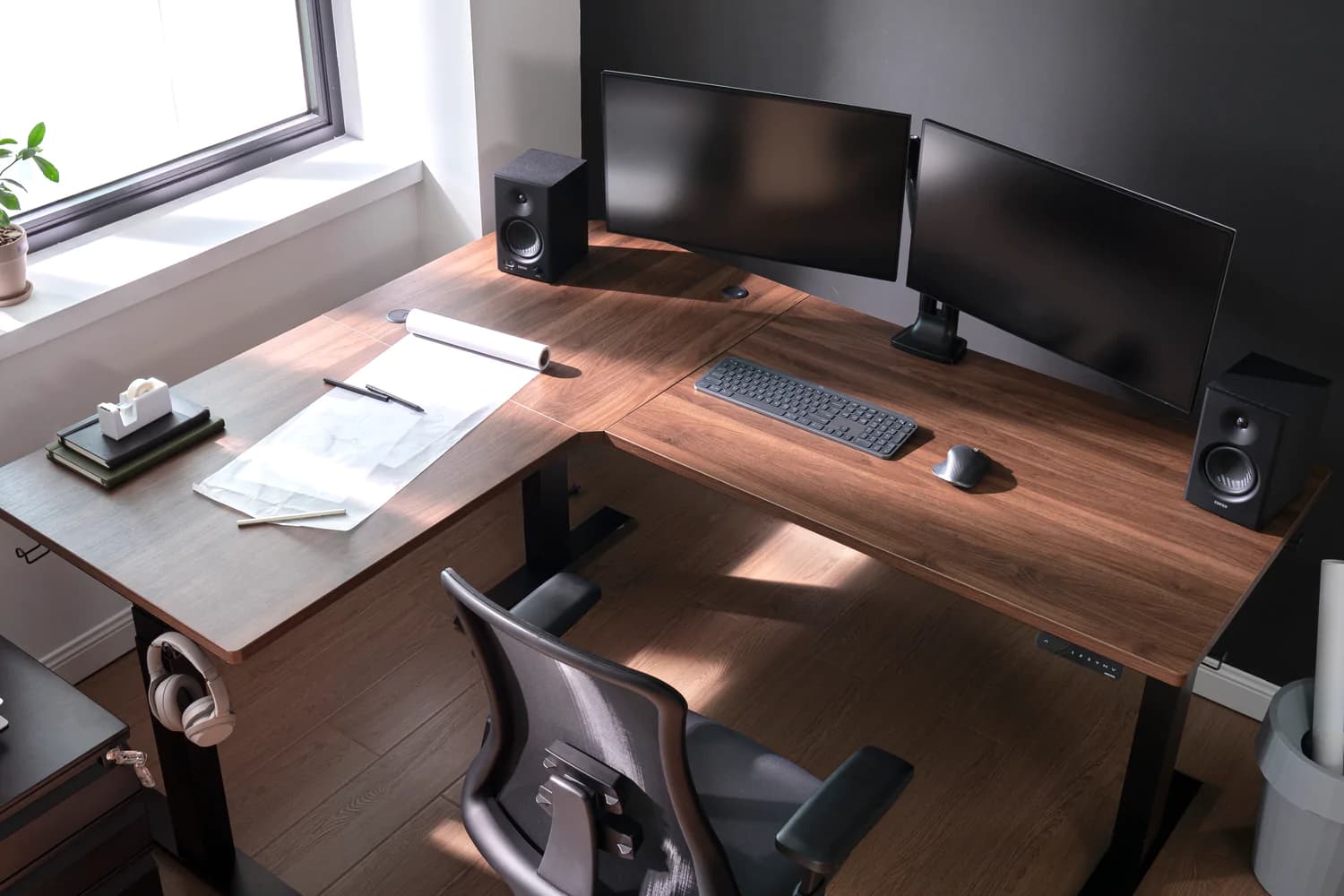
Millennials and Gen Z are leading this shift. Studies show that younger generations prioritize experiences over possessions and value flexibility above all else. Why buy a $2,000 monitor setup when you can rent one for a fraction of the cost and upgrade whenever you want?
The Economics of Renting vs. Buying
The math is straightforward. When you buy electronics, you pay the full price upfront, absorb depreciation the moment you unbox it, and bear the cost of repairs and eventual disposal. When you rent, you pay only for the time you actually use the item, maintenance is included, and you can swap or return it when your needs change.
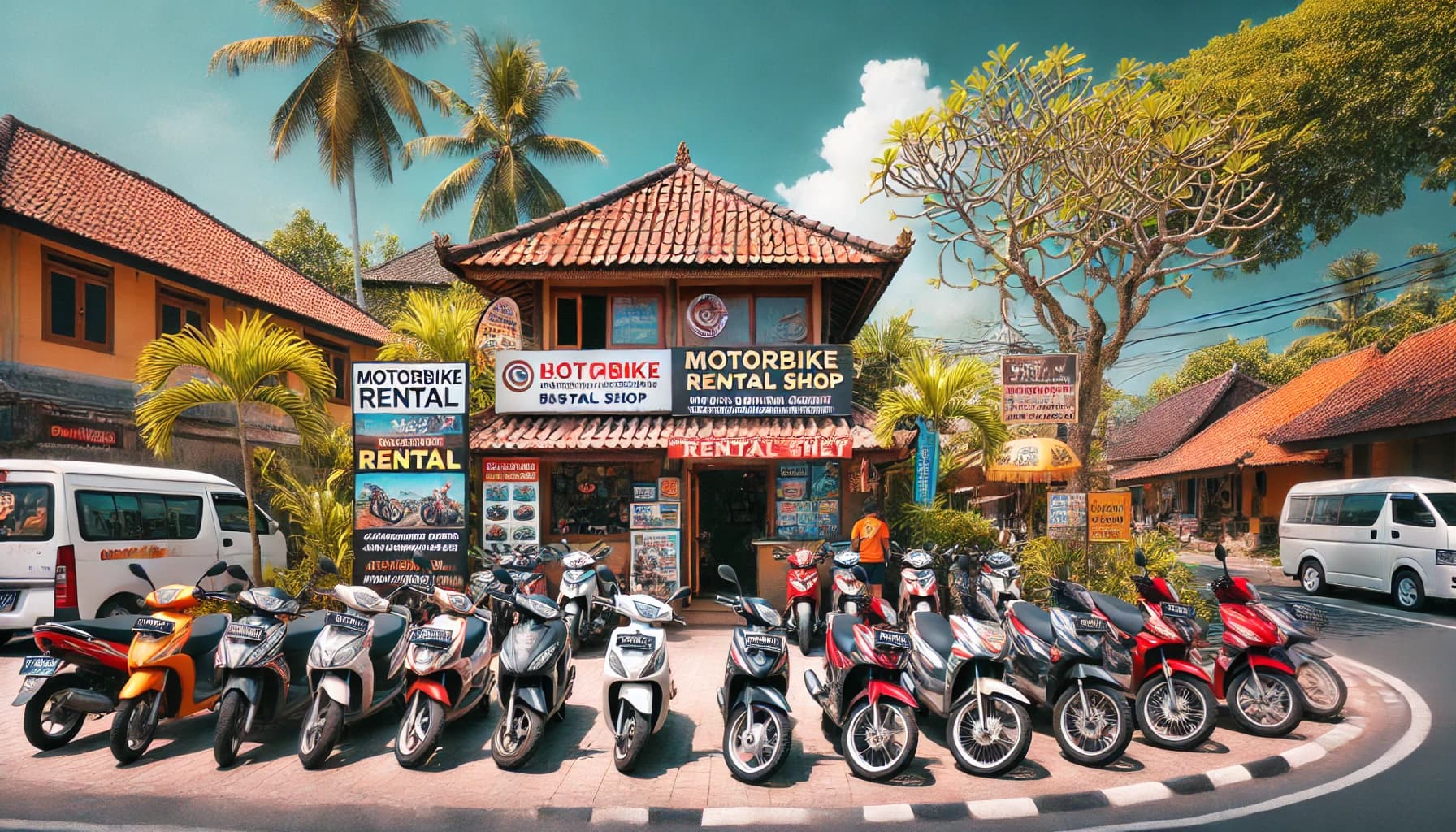
Consider a digital nomad spending six months in Bali. Buying a full home office setup — monitor, ergonomic chair, standing desk — could cost over $3,000. Renting the same setup through a service like Monis costs a fraction of that, with free delivery and pickup included. When you leave, you simply return everything. No selling on marketplace groups, no shipping logistics, no waste.
Sustainability: The Environmental Case for Renting
The environmental impact of consumer electronics is staggering. The UN estimates that over 50 million tonnes of e-waste is generated globally each year, and only 20% is formally recycled. The rental model directly combats this by extending product lifecycles. A single monitor that gets rented by five different people over its lifetime replaces five individual purchases and keeps four monitors out of landfills.
Rental companies also have a financial incentive to maintain and repair products rather than discard them, creating a built-in circular economy that traditional retail simply does not offer.
Freedom and Flexibility
The rental lifestyle is ultimately about freedom. Freedom to move without being weighed down by possessions. Freedom to try new products without long-term commitment. Freedom to scale your setup up or down based on your current needs.
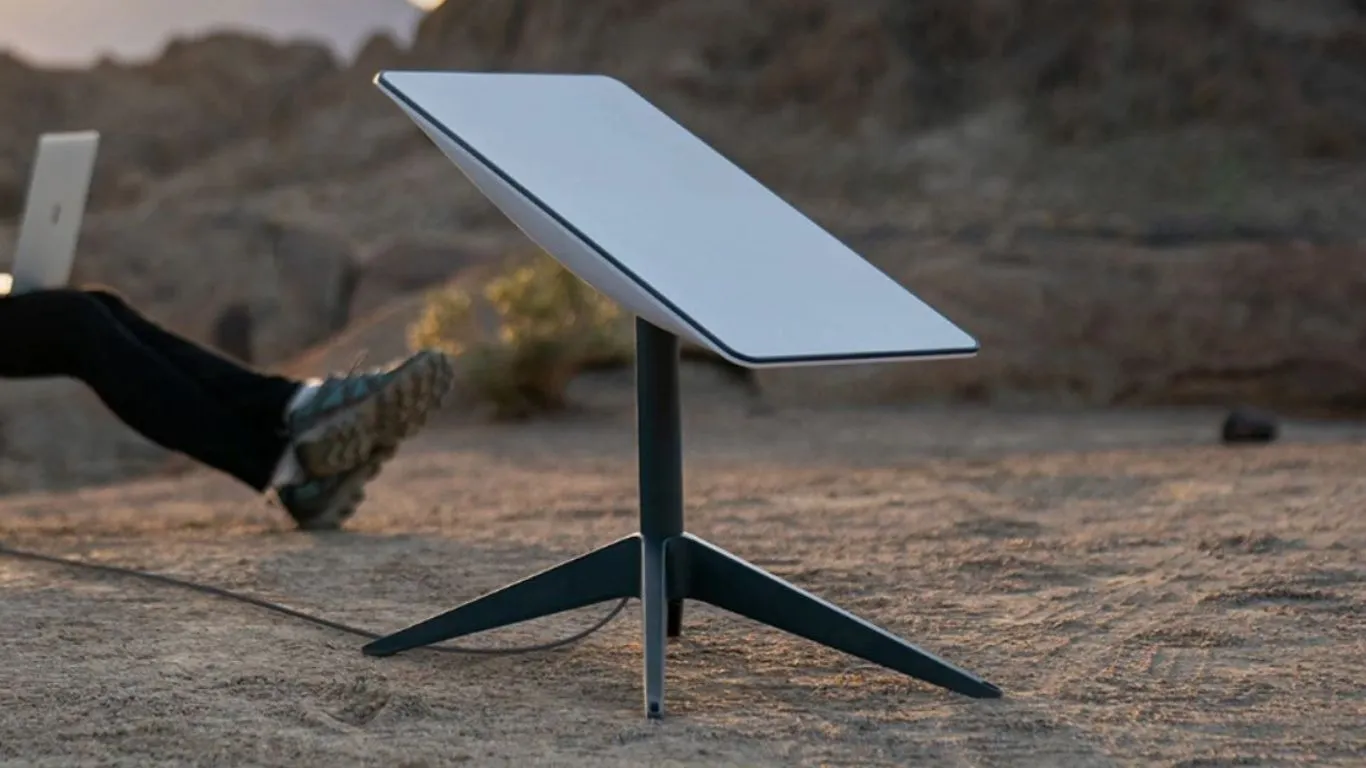
For remote workers and digital nomads, this flexibility is transformative. You can have a professional-grade workspace in Canggu this month and Ubud the next, without the hassle of moving heavy equipment. Services like Monis handle the logistics so you can focus on what matters — your work and your life.
The Subscription Economy Is Just the Beginning
We already subscribe to software, music, and movies. The next frontier is physical goods. Hardware-as-a-Service (HaaS) is growing rapidly, with companies offering everything from laptops to furniture on flexible monthly plans. This model aligns perfectly with how modern consumers want to live: light, flexible, and without unnecessary financial burden.
How to Start Living the Rental Lifestyle
Making the switch does not require a radical overhaul. Start with items you use temporarily or that depreciate quickly: electronics, fitness equipment, or furniture for a temporary living situation. Ask yourself before every purchase: “Will I still need this in a year?” If the answer is uncertain, renting is almost always the smarter choice.
In Bali, Monis makes this easy with a catalog of electronics, home appliances, and office equipment available for flexible rental periods. Whether you are settling in for a few months or just need a printer for a week, the rental lifestyle means you always have exactly what you need — nothing more, nothing less.
The rise of the rental lifestyle is not a passing trend. It is a fundamental shift in how we relate to the things around us. As more people discover the financial, environmental, and lifestyle benefits of renting over buying, the question will no longer be “Why rent?” but “Why would you ever buy?”
Frequently Asked Questions
The rental lifestyle means choosing to rent items like electronics, furniture, and equipment instead of buying them, prioritizing flexibility, lower costs, and sustainability over ownership.